Can you use eyeshadow as lipstick? No, you really shouldn't for most shadows. Lipstick is made to handle constant moisture and a little accidental swallowing; eyeshadow is not, and some pigments that are fine around the eyes are not approved for the lips. That is the short version. Keep reading for the longer version and some good alternatives.
Get personalized eye makeup looks with BeautySparkIs It Safe to Use Eyeshadow as Lipstick?
The honest answer, for most eyeshadows, is no. The deciding factor is not your technique or how careful you are. It is what sits inside the shadow, and whether those colorants are cleared to go somewhere they will be partly swallowed. Your lips stay damp, and over a day you eat a little of whatever you put on them. Lip products are formulated and approved with that in mind. Most eyeshadows are not.
So the real question is narrow: are the pigments in your particular shadow approved and safe for lip use? If you cannot confirm that, the answer is no, and a lip-approved product is the better call. If you can confirm it, the rest of this guide shows you how to do it with the least risk. Everything below hinges on that one check.
Why Lip and Eye Color Additives Are Approved Differently
This is the part most "eyeshadow as lipstick" tutorials skip, and it is the whole decision. In the United States, the FDA does not approve a color additive across the board. It approves each one for a specific use. A pigment can be cleared for one kind of product and banned from another.
Here is the key distinction in plain language. The lips are not treated as "externally applied" the way the skin on your arm is, because lip color is partly swallowed. According to the FDA, if a color additive is approved for externally applied cosmetics, it may not be used in products such as lipsticks unless the regulation specifically permits it. In other words, some colorants that are perfectly fine in an eyeshadow are simply not on the approved list for the lips. A few are limited to external use only and are not meant to touch mucous membranes at all.
The FDA makes the same point about cross-using products in general. Its eye cosmetic safety guidance warns against using a lip liner as an eyeliner, both because you can transfer bacteria and because you may expose your eyes to color additives that are not approved for the eye area.
None of this means your eyeshadow is "toxic." It means it was approved and tested for a different job. The takeaway is practical: the way color additives are regulated is by intended use, so a shadow that looks great on your lids has not been tested or approved for your mouth.
Whether an eyeshadow is safe on your lips comes down to one thing: whether its colorants are approved for lip use, and most simply are not.
When It Is Lower Risk vs. Higher Risk
Say you have read the label and confirmed your shadow's colorants are cleared for lip use. You have cleared the big hurdle, but you are not done. Texture, hygiene, and how often you wear it still decide whether this is a reasonable idea or a bad one.
Lower-risk choices look like this: a plain matte or satin powder shadow, freshly cleaned, pressed over a layer of balm, worn occasionally, and removed the same day. Higher-risk choices look like this: shadows packed with chunky glitter or large particles, heavily saturated novelty shades, anything old or shared, daily long-term wear, and applying color directly onto bare, cracked lips.
Texture matters more than people expect. Glitter and large sparkle particles can have rough edges that scratch delicate lip skin, and they are not made to be eaten. A smooth, finely milled matte is the gentlest option if you are going to do this at all.
Even a lip-approved shadow is only worth it as a smooth matte, freshly cleaned, worn occasionally over balm; glitter, daily wear, and old or shared pans are not.
How to Use Eyeshadow as Lipstick Safely
This section assumes you have done the one thing that matters: confirmed your specific shadow's colorants are approved for lip use. If you have not, stop here and skip to the alternatives below. If you have, technique is what keeps it comfortable and clean. The goal is to put a barrier between the pigment and your bare lips, keep the product clean, and avoid wearing it all day. Here are two methods, from quickest to most controlled.
The Quick Method: Balm Plus Shadow
This is the fastest way to get color on your lips with the least mess, and the layer of balm underneath does double duty as a barrier and a moisturizer.
- Start with clean, smooth lips. Apply a thin layer of plain, clear lip balm and let it sink in for a minute.
- Pick a finely milled matte or satin powder shadow. Avoid glitter and large shimmer particles.
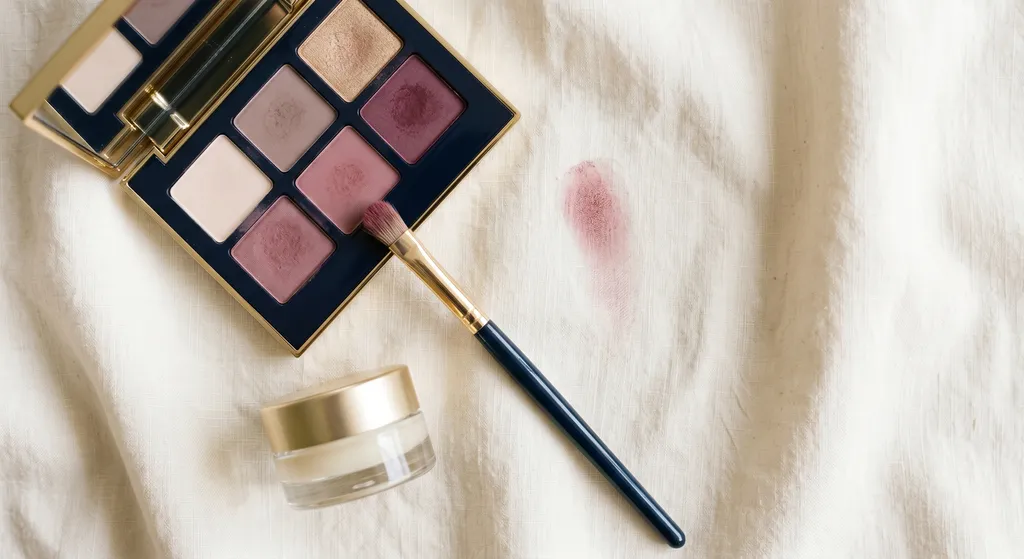
- Pat the shadow on with a clean flat brush or a clean fingertip. Press the color on rather than dragging it, which keeps it more even and saves product.
- Build slowly in thin layers until you reach the saturation you want.
- Gently blot with a tissue to remove loose powder, then add a final whisper of balm or clear gloss on top for comfort.
The DIY Tinted Balm Method
Mixing the shadow into a binder first gives you a creamier, more lipstick-like texture and more even color. It also lets you control the shade precisely. Treat this as a small-batch experiment, not a big jar you keep for months.
- On a clean surface or the back of your clean hand, scrape a small amount of powder from a finely milled shadow.
- Add a tiny amount of a clear, lip-safe binder: a plain clear lip balm or a clear gloss works well. Keep the ratio small and pigment-light to start.
- Mix thoroughly with a clean spatula or brush until there are no visible clumps or grit.
- Test the color on the back of your hand first, then build up the pigment if you want it deeper.
- Apply with a clean lip brush. Store any leftover in a small, clean, sealed container and use it up quickly rather than keeping it for weeks.
Keep it clean, keep it fresh
The biggest avoidable risk here is bacteria, not pigment. Use a freshly cleaned brush, never double-dip an old jar of balm with a used brush, and make a fresh small batch rather than keeping a homemade tinted balm around for months. If a product smells off or has changed texture, throw it out.
Your Safety Checklist Before You Try
Run through this quick list every time, not just the first time.
- Confirm the colorants are approved for lip use. If the label does not say the shade is safe for lips, do not use it. This check comes before everything else.
- Patch test first. Dab a little on the inside of your wrist or just inside your lower lip and wait 24 hours to check for irritation or a reaction.
- Always apply over a layer of balm so the pigment is not sitting directly on bare lip skin.
- Skip it entirely on chapped, cracked, or broken lips.
- Use a clean, recently used or freshly washed product. No ancient pans, no sharing.
- Avoid glitter, chunky shimmer, and large particles.
- Remove it the same day with an oil-based cleanser or balm, then reapply plain balm to rehydrate.
Only use a shadow you have confirmed is lip-approved, then patch test, layer over balm, keep everything clean, avoid glitter, and remove it the same day.
Pros and Cons of Using Eyeshadow as Lipstick
Even when you have a lip-approved shadow in hand, it helps to be honest about what you gain and what you give up. Eyeshadow can be useful for playing with color, and it is still not built for the job. Weigh both before you decide.
| Pros | Cons |
|---|---|
| Huge shade range you may already own | Pigments not formulated or approved for the lips |
| Lets you mix fully custom colors | Drier, less comfortable wear than lipstick |
| A cheap way to test a color before buying a lipstick | Patchier texture and uneven application |
| Uses products you already have on hand | Fades and transfers faster |
| Great for one-off experimenting and play | Not designed for moisture or ingestion |
The pattern is clear. At its best, with a shade you have confirmed is lip-approved, eyeshadow is a way to play with color or test a shade you are curious about. It struggles the moment you want all-day comfort, clean wear, or a product you can rely on every morning. For that, a real lip product wins every time.
At best, with a lip-approved shade, eyeshadow is an occasional stand-in; it cannot match a real lip product for comfort, wear, or peace of mind.
Discover Your Perfect Eye Look
Get your first AI-personalized look in under 5 minutes.


When You Should Not Do It
Some situations turn this from "maybe, if it is lip-approved" to a flat no. Skip the shadow-on-lips hack entirely if any of these apply to you.
- You cannot confirm the shadow's colorants are approved for lip use. This is the first reason to skip it, and the most important one.
- Your lips are chapped, cracked, peeling, or broken in any way. Compromised skin absorbs more and irritates more easily.
- You have a known allergy or sensitivity to a pigment, dye, or a specific colorant. A patch test is not a substitute for knowing you react to something.
- The only shadows you have are glittery, metallic with large particles, or loaded with chunky sparkle. Those textures are the least lip-friendly.
- You want to wear it daily and long-term. Occasional is the operative word; this was never meant to be your everyday lip routine.
- The product is old, dried out, or has been shared with someone else. That is a hygiene problem regardless of where you put it.
If you find yourself wanting eyeshadow-as-lipstick every single day, that is a signal to invest in an actual lip product in a shade you love. Which brings us to the better options.
If you cannot confirm the shadow is lip-approved, or your lips are damaged, the product is old or glittery, or you want daily wear, choose a real lip product instead.
Better Alternatives to Eyeshadow on the Lips
For most people, the shadow sitting in the drawer is not lip-approved, so this is where the real answer lives. If what you want is custom color, a wider shade range, or a budget-friendly way to experiment, these options get you there without the approval question hanging over them. Most are also more comfortable to wear.
- Multi-use cream pigments labeled for both eyes and lips. This is the cleanest fix. A cream color that is explicitly approved for lip use on the label gives you that mix-and-match flexibility with colorants that were actually cleared for the lips. Read the label and confirm it says lips, not just eyes.
- A clear gloss over a tiny amount of lip-safe pigment. If you love the DIY tinted-balm idea, swap the eyeshadow for a pigment or product that is meant for the lips. You keep the custom-shade fun and lose the approval question.
- A proper lip product in a flattering shade. Sometimes the answer is just buying one good lipstick or tinted balm in the right color. If you are unsure which shade suits you, our guide to matching your lip color to your eye look walks through how to balance the two so the whole face reads as intentional.
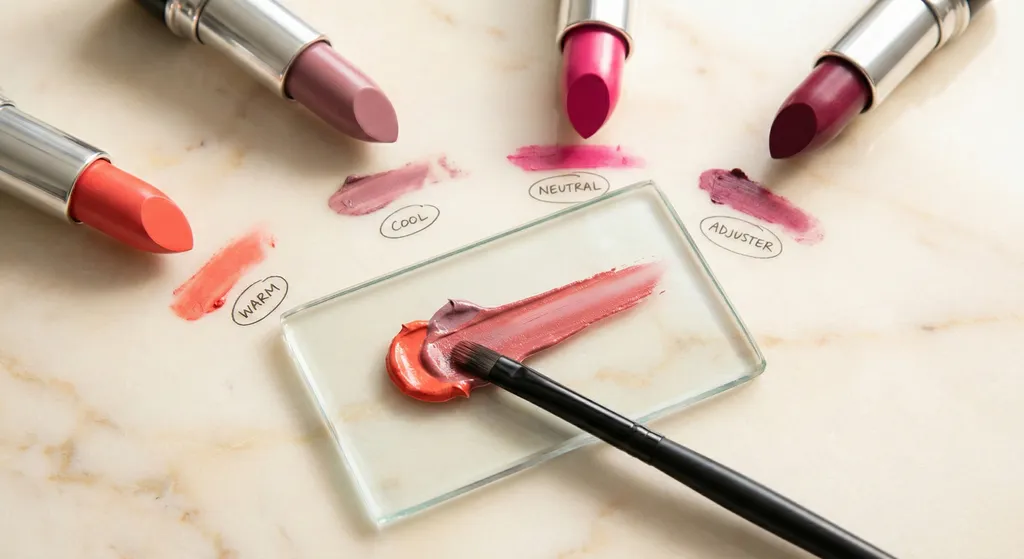
- Rescue a lipstick you already own. If you have a lip shade that is almost right but pulls slightly too warm or too cool, you do not need eyeshadow to fix it. Learn how to fix a lip shade that pulls too warm or too cool by mixing what you already have.
The cleanest alternatives are multi-use pigments labeled for lips and rescuing a lip product you already own, both of which skip the approval question entirely.
How to Pick a Flattering Shade
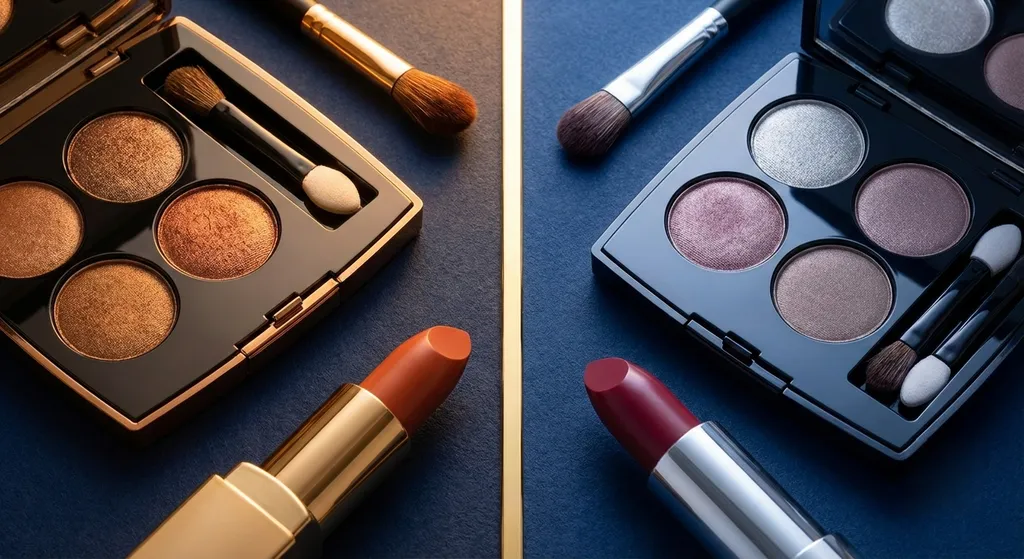
Whatever you put on your lips, the color either works with your natural coloring or fights it, and that has nothing to do with whether it started life as an eyeshadow. The single biggest factor is temperature: whether a shade leans warm or cool.
Warm and cool versions of the "same" color read completely differently on the lips. A warm, peachy-coral rose and a cool, blue-based rose can look like two different shades on the same person, and usually only one of them is genuinely flattering. The trick is to match the temperature of your lip color to your own coloring rather than picking a shade in isolation.
If you do not know whether you lean warm or cool, start by learning how to find your undertone first. From there, you can go deeper and figure out which colors actually look good on you across your whole palette, not just your lips. Keep any single look temperature-coherent: if your eye look is cool, keep the lip cool too, and the whole face will feel pulled together.
A fast temperature check
Not sure if a shade leans warm or cool? Swatch it on the back of your hand, then hold a gold item next to it and a silver item next to it. Warm shades look richer beside gold; cool shades look cleaner beside silver. Whichever pairing flatters the swatch more tells you the color's temperature, so you can match it to your own warm or cool coloring. The trick works on an eyeshadow swatch just as well as a lipstick bullet.
Match the temperature of any lip shade to your own coloring, and keep every look temperature-coherent from eyes to lips.
Eyeshadow as Lipstick: Quick-Reference Table
Assuming you have confirmed the shadow is lip-approved, use this as a fast checklist for the rest.
| Step | What to Do | Why | Safety Note |
|---|---|---|---|
| Check approval | Confirm the shadow's colorants are cleared for lip use | Approval is the deciding factor, not technique | If the label does not say lips, stop here |
| Patch test | Dab a little inside your wrist or lower lip, wait 24 hours | Catches irritation or a reaction before it reaches your whole lip | Skip the shade entirely if you react |
| Prep | Apply a thin layer of clear balm and let it absorb | Creates a barrier and adds moisture | Only on smooth, healthy lips |
| Choose | Pick a finely milled matte or satin powder shadow | Smooth textures are gentlest on lip skin | Avoid glitter and large particles |
| Apply | Press color on with a clean brush or fingertip | Even coverage, less product waste, less bacteria | Never double-dip an old product |
| Finish | Blot, then add a touch of balm or clear gloss | Removes loose powder and adds comfort | Keep it occasional, not daily |
| Remove | Take it off the same day with an oil cleanser or balm | Limits how long pigment sits on the lips | Rehydrate with plain balm afterward |
Treat a lip-approved shadow as an occasional, well-prepped stand-in, and a real lip product or a multi-use pigment as the everyday answer.
Frequently Asked Questions
Discover Your Perfect Eye Look
Get your first AI-personalized look in under 5 minutes.